
Introduction: A New Era of Vertical Living
There was a time when home elevators were reserved for sprawling mansions and five-star hotels. Today, that perception is changing fast. As homes grow taller and families prioritize convenience, safety, and long-term accessibility, smart home elevators have moved from a luxury afterthought to a thoughtful, forward-looking investment.
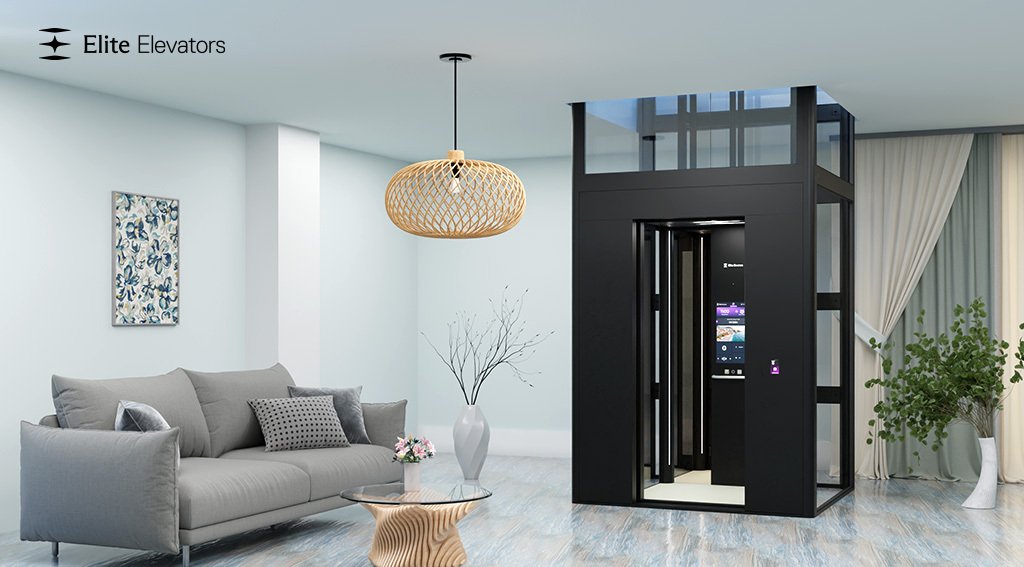
This shift isn’t just about technology for technology’s sake. It’s about how people genuinely want to live — homes that respond to their needs, reduce physical strain, and age gracefully alongside the people in them. Smart elevators sit right at that intersection of comfort, design, and intelligent automation.
In this blog, we’ll explore what makes a home elevator “smart,” the real-world benefits reshaping modern households, the technology powering this shift, and practical considerations before you invest in one.
What Makes a Home Elevator “Smart”?
A traditional home elevator does one job — it moves you between floors. A smart home elevator does that and thinks ahead. Here’s what typically sets it apart:
- App-based control: Call, summon, or schedule the elevator from your smartphone, even before you reach it.
- Voice integration: Compatibility with smart assistants like Alexa or Google Home for hands-free operation.
- Predictive sensors: Detect obstacles, weight distribution, and usage patterns to optimize safety and energy use.
- Automated diagnostics: Self-monitoring systems that flag maintenance needs before a breakdown occurs.
- Energy-efficient drives: Regenerative technology that reduces power consumption during operation.
- Biometric or keyless access: Fingerprint or facial recognition for added security in multi-generational homes.
Together, these features turn a simple mechanical convenience into a genuinely intelligent home system — one that learns, adapts, and communicates with the rest of your connected home.
Why Smart Home Elevators Are Gaining Popularity
1. Rising Demand for Multi-Generational Living
More families today are designing homes that comfortably house grandparents, parents, and children under one roof. Mobility becomes a real, everyday concern — not a hypothetical one. A smart elevator offers a dignified, safe way for elderly family members to move between floors without relying on others or risking a fall on the stairs.
2. The Shift Toward Vertical Homes
With urban land becoming scarce and expensive, homes are increasingly built upward rather than outward. As floors multiply, so does the need for an efficient way to move between them — and stairs alone no longer cut it for daily convenience, especially for young children, pets, or anyone carrying groceries, luggage, or furniture.
3. Smart Homes Demand Smart Everything
Homeowners investing in smart lighting, security, and climate control naturally expect their elevator to keep pace. A disconnected, purely mechanical elevator can feel like a weak link in an otherwise intelligent home ecosystem.
4. Increased Property Value
Real estate professionals increasingly note that homes with integrated smart elevators command stronger resale interest, particularly in premium and semi-premium segments, because they signal long-term livability and future-readiness.
Real-World Benefits Transforming Daily Life
Enhanced Accessibility and Independence
For elderly residents or those with mobility challenges, a smart elevator isn’t a convenience — it’s independence. Predictive sensors and voice commands mean less physical effort and fewer safety risks, allowing people to remain in their own homes longer rather than relocating due to accessibility concerns.
Time and Energy Savings
App-based summoning means the elevator can already be waiting when you reach it — especially useful for families juggling children, work-from-home schedules, and daily errands across multiple floors.
Smarter Energy Consumption
Modern smart elevators use regenerative braking and standby power modes, consuming significantly less electricity than older hydraulic or traction systems. Over time, this contributes to lower utility bills and a smaller environmental footprint.
Proactive Safety Monitoring
Perhaps the most underrated benefit is predictive maintenance. Instead of waiting for a mechanical failure, smart systems flag irregularities — unusual vibrations, motor strain, or sensor faults — long before they become safety hazards.
Seamless Aesthetic Integration
Contrary to old assumptions, smart elevators no longer look industrial or bulky. Compact shaftless and hydraulic designs now blend into interior architecture, available in glass, wood, and metal finishes that complement modern and traditional homes alike.
The Technology Behind Smart Elevators
Understanding the mechanics helps demystify why these systems feel so responsive:
IoT Connectivity Sensors throughout the elevator communicate in real time with a central home automation hub, allowing seamless integration with other smart devices.
Machine Learning Algorithms Some advanced systems learn household patterns — for instance, recognizing that the elevator is used most between certain hours — and optimize standby power accordingly.
Redundant Safety Systems Smart elevators typically layer multiple safety mechanisms: auto-rescue devices during power outages, emergency communication systems, and anti-entrapment sensors that respond faster than manual overrides.
Cloud-Based Diagnostics Manufacturers and service providers can often access performance data remotely (with owner consent), enabling faster troubleshooting and reducing on-site visit delays.
Smart Elevators vs. Traditional Home Elevators
| Feature | Traditional Elevator | Smart Home Elevator |
|---|---|---|
| Control | Manual buttons only | App, voice, and manual |
| Maintenance | Reactive (after issue arises) | Predictive diagnostics |
| Energy Use | Higher, constant draw | Optimized, regenerative |
| Safety Monitoring | Basic sensors | Real-time, multi-layered |
| Integration | Standalone system | Connected to smart home hub |
| Design Flexibility | Limited finishes | Wide customization options |
This comparison highlights why more homeowners see smart elevators not as an upgrade, but as a fundamentally different category of product.
Who Should Consider a Smart Home Elevator?
- Families with elderly parents or grandparents who want to age in place safely.
- Homeowners building multi-story villas or duplexes who want long-term accessibility built in from the design stage.
- Design-conscious buyers who want their home’s technology to feel cohesive, not fragmented.
- Anyone planning a long-term home where future mobility needs — even decades away — are worth planning for today.
It’s worth noting that a smart home elevator is as much a long-term life-planning decision as it is a design one. Retrofitting a home for accessibility later is often more disruptive and costly than integrating it during construction or renovation.
Things to Consider Before Installing One
- Space and Shaft Requirements: Compact models exist, but layout planning early avoids costly redesigns later.
- Load Capacity Needs: Consider wheelchair accessibility if planning for future mobility needs.
- Power Backup Compatibility: Ensure the system integrates with home inverters or generators for uninterrupted use during outages.
- Maintenance Support: Choose a provider offering consistent, responsive after-sales service — smart systems still need expert hands occasionally.
- Customization vs. Budget: Smart features add value, but it helps to prioritize which integrations (app control, biometric access, voice assistant) matter most for your household.
The Future of Smart Home Elevators
As smart home ecosystems mature, elevators are expected to become even more predictive — anticipating usage before it happens, self-scheduling maintenance visits, and integrating more deeply with health-monitoring wearables to detect falls or irregular movement patterns near the elevator entry points.
We’re also likely to see more sustainable innovations: solar-compatible power systems, quieter motor technology, and elevators designed for smaller urban footprints without compromising safety or comfort.
In many ways, the smart home elevator reflects a broader shift in how we think about our homes — not as static structures, but as responsive environments that grow and adapt with the people living in them.
Final Thoughts
Smart home elevators are no longer a futuristic idea reserved for luxury estates — they’re a practical, thoughtful response to how modern families actually live: multi-generational, mobility-conscious, and increasingly connected. Whether the priority is safety for aging parents, convenience for a busy household, or simply future-proofing a home, smart elevators offer a rare combination of comfort, intelligence, and long-term value.
If you’re exploring home elevator options that combine safety, elegant design, and genuinely smart technology, Elite Elevators is worth a serious look. Known for thoughtfully engineered residential elevators, Elite Elevators focuses on blending intelligent automation with interiors that feel personal, not industrial — making the transition to smart vertical living seamless for Indian homes.
Frequently Asked Questions (FAQs)
1. How much space does a smart home elevator require? Compact smart elevators can fit into spaces as small as a few square feet, depending on the model and load capacity. Shaftless and hydraulic options are especially suited for homes with limited space.
2. Are smart home elevators safe during power outages? Yes. Most smart elevators come with auto-rescue devices and battery backup systems that safely lower the elevator to the nearest floor and open the doors during a power failure.
3. How much maintenance do smart home elevators need? Thanks to predictive diagnostics, maintenance becomes more proactive than reactive. Routine check-ups are still recommended, typically every few months, depending on usage.
4. Can a smart home elevator be added to an existing home? Yes, many providers offer retrofit-friendly designs for existing structures, though space planning and structural assessment are essential first steps.
5. Do smart elevators work with existing smart home systems? Most modern smart elevators are designed to integrate with popular smart home ecosystems, including voice assistants and centralized automation hubs, for a unified control experience.